Regulations for external oil boilers are designed to protect homeowners, the environment, and public safety. They ensure that installations are safe, efficient, and minimise risks such as oil spills, fires, and environmental contamination. Compliance is not only a legal obligation but also a commitment to a safer and cleaner environment.
Key Regulations for External Oil Boilers
Planning Permission
Depending on your installation, planning permission may be necessary. If the installation significantly alters the appearance of your property, you will need to check with your local planning authority. This step is crucial to avoid any legal issues post-installation.
Building Regulations
External oil boiler installations must comply with specific building regulations:
Adhering to these regulations ensures your boiler's installation is legal, safe, and efficient.
Fuel Storage Regulations
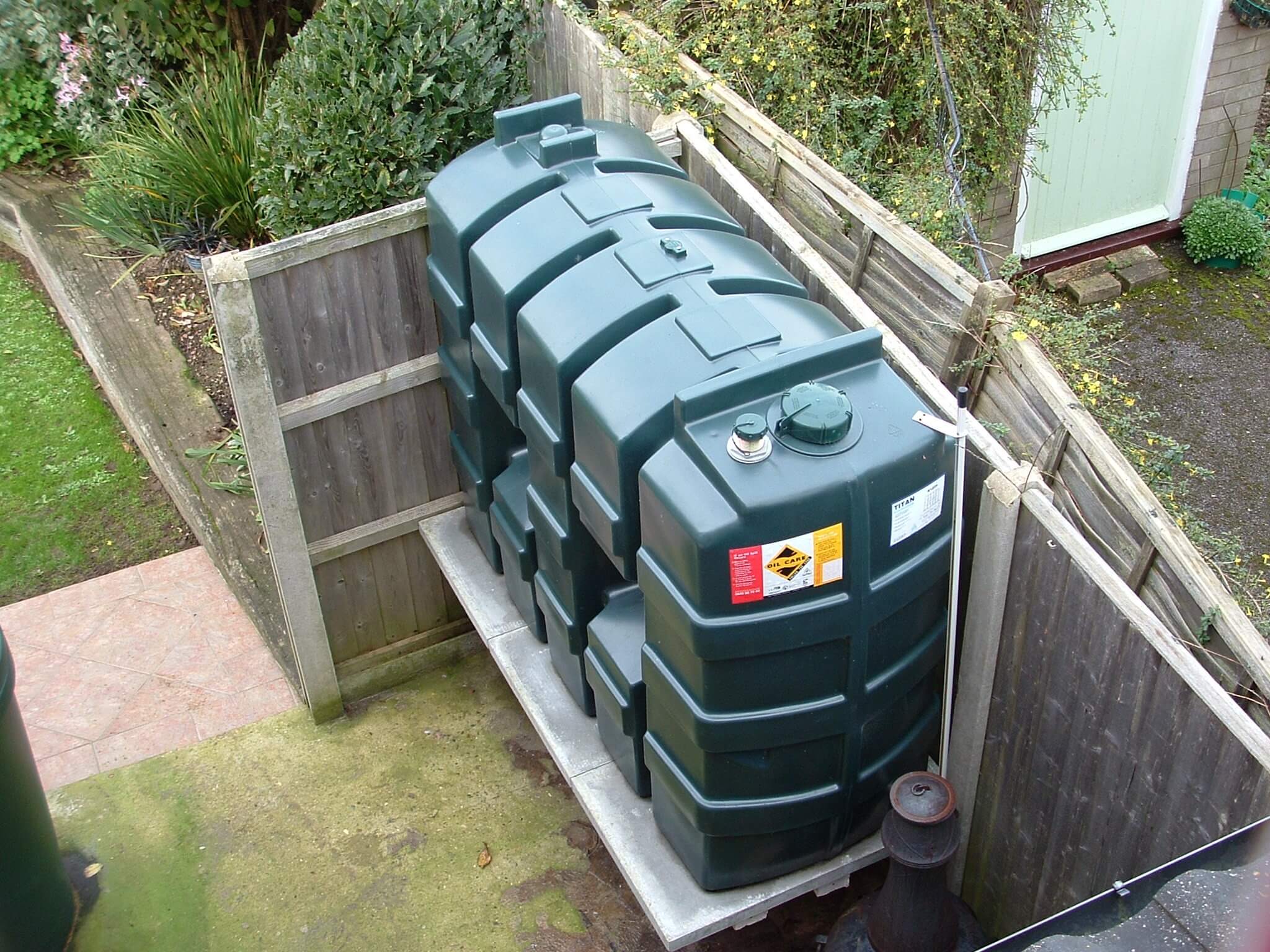
Proper oil storage is essential to prevent environmental contamination. Regulations require the use of bunded oil tanks, which have an additional containment layer to catch any potential leaks. Regular maintenance and inspections are also mandated to ensure the integrity of the storage tank.
Location Regulations for External Oil Boilers
Choosing the right location for your external oil boiler involves several regulatory considerations:
Accessibility
Your boiler should be easily accessible for maintenance and servicing. Ensure there's enough space around the unit for technicians to perform necessary tasks.
Protection from Elements
While external boilers are built to withstand outdoor conditions, placing them in a sheltered area or using a protective housing unit can extend their lifespan and improve efficiency.
Distance from Property
Regulations typically require a minimum distance between the boiler and your house. This distance is generally around 2.5 to 3.3 feet (76 cm to 1 meter). Maintaining this distance helps in safe maintenance access and reduces fire hazards.
Clearance from Vegetation and Structures
Adequate clearance from flammable materials, structures, and vegetation is necessary to prevent overheating and fire risks. This also ensures proper airflow, which is crucial for the boiler's efficient operation.
Minimum Distance from Openings
UK regulations mandate a minimum clearance of 3.3 feet (1 meter) from any building openings like windows, doors, and vents. This ensures safety and proper ventilation during maintenance and in case of emergencies.
Distance from Driveways and Pathways
Maintain at least 8.2 feet (2.5 meters) between the boiler and any driveways or pathways to prevent hazards from waste gases, especially in icy conditions where they can make surfaces slippery.
Flue Regulations
The flue system is critical for safely expelling combustion gases. Key regulations include:
Positioning and Termination
The flue should be placed to avoid re-entry of gases into the building and must terminate away from public footpaths or areas where people congregate. This placement prevents exposure to harmful exhaust gases.
Material Standards
Flues must be constructed from corrosion-resistant materials and comply with Building Regulations Approved Document J standards.
Unobstructed Flue Terminal
Ensure that the flue terminal has an open-air exit without obstructions like sheds, fences, or other structures. This guarantees unrestricted airflow, crucial for the boiler's safe and efficient operation.
Installation Regulations
Installing an external oil boiler involves specific steps to ensure compliance and safety:
Qualified Installers
Only qualified and registered technicians should install your oil boiler. In the UK, this typically means using an OFTEC (Oil Firing Technical Association) registered installer.
OFTEC Oil Boiler Engineer
|
|
Shropshire Gas is a certified and recognised OFTEC Oil Boiler Engineer (Company Number: 6178)
|
| Get in Touch |
Electrical Connections
During installation, it’s crucial to avoid interference with electrical wiring or routes. Proper planning and execution ensure there are no electrical hazards associated with the boiler installation.
Fire Safety
Implement fire safety measures, such as fire-rated walls if the boiler is near your home, and provide clear instructions for emergency shut-off procedures.
Additional Considerations
Noise Regulations
Ensure the noise level of the boiler complies with local noise regulations, especially if the boiler is near neighbouring properties.
Insurance Requirements
Consult your home insurance provider to ensure your installation meets their requirements, as this can affect your coverage.
Regular Maintenance
Regular servicing and maintenance by a qualified technician are essential to keep your boiler running safely and efficiently. This helps identify potential issues early and ensures compliance with all regulations.
Choosing the Right Installer
When selecting an installer, consider the following:
- Credentials: Look for certified and licensed installers with a proven track record.
- Recommendations: Seek referrals and read reviews from other homeowners.
- Warranty and Service Contracts: Ensure they offer warranties and service contracts for long-term support.
- Competitive Pricing: Compare quotes from multiple installers to get the best value for your money.

Is an External Oil Boiler Right for You?
If you're wondering whether an external oil boiler is the right option for you, we have put together a pros and cons list to help you make an informed decision.
Installing an external oil boiler requires adherence to various regulations designed to ensure safety, efficiency, and environmental protection. Understanding and following these guidelines will help you enjoy the benefits of an efficient heating system while complying with legal standards. For detailed advice or to arrange a consultation, contact Shropshire Gas. Our team of experts is here to assist with all your heating needs.