What to Do When Going Away in Winter
Heading away for an extended winter vacation or leaving your vacant home unattended during the cold months? It's crucial to take proactive steps to protect your plumbing system from freezing and potential damage. In this article, we'll provide you with a comprehensive guide on how to winterize your plumbing for vacant homes.
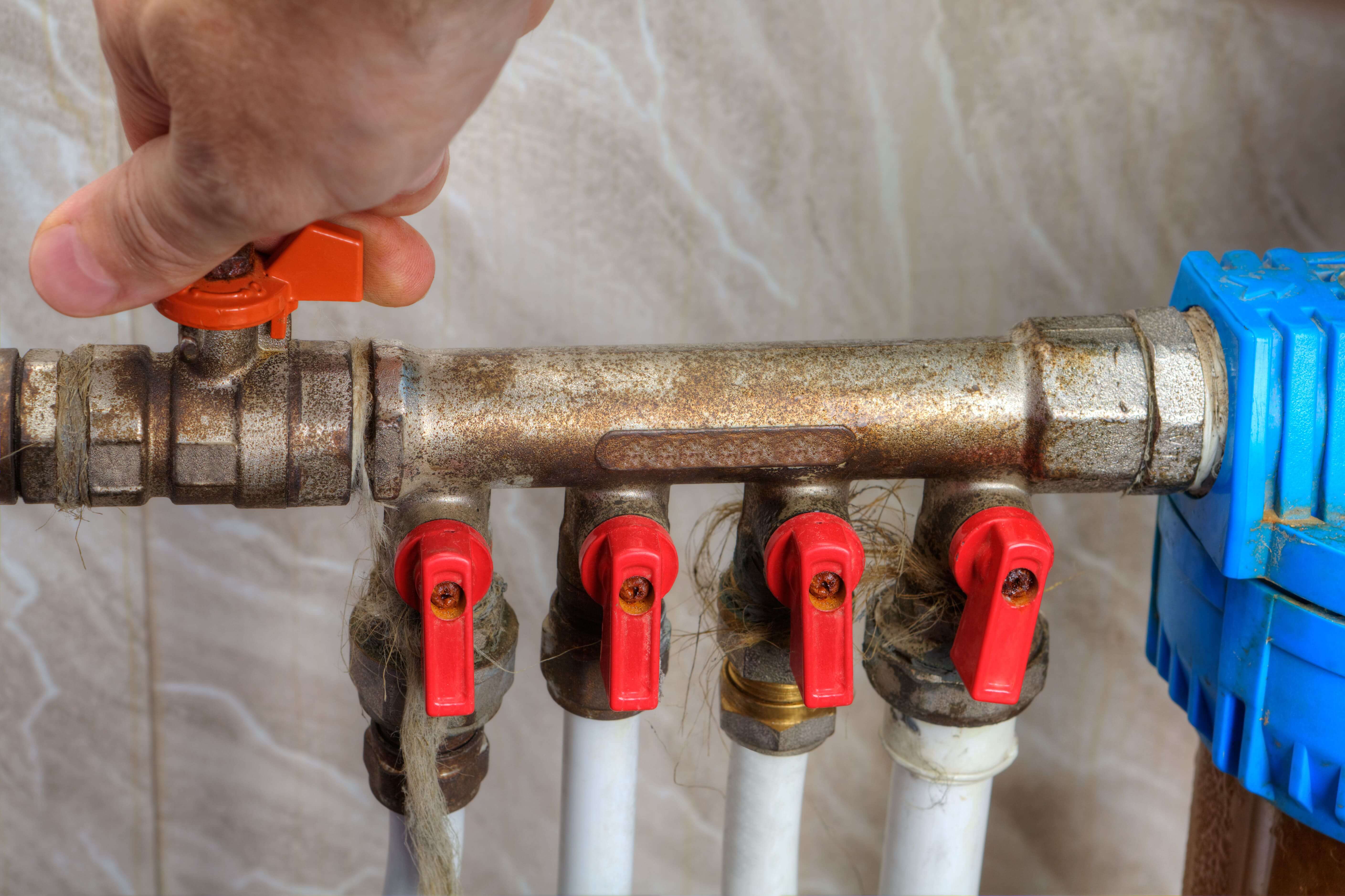
Shut Off the Main Water Supply
Before leaving, turn off the main water supply to your vacant home. This ensures that no water is flowing through your pipes while you're away, significantly reducing the risk of freezing and bursting.
Consider a Professional Inspection
It's a good idea to have a professional plumber inspect your plumbing system before you leave. They can identify any issues or vulnerabilities and provide advice on specific winterization steps.
Add Antifreeze
If your home has a water-based heating system, such as a radiant heating system, add antifreeze to the system to prevent freezing. Consult with a professional plumber to determine the right type and amount of antifreeze to use.
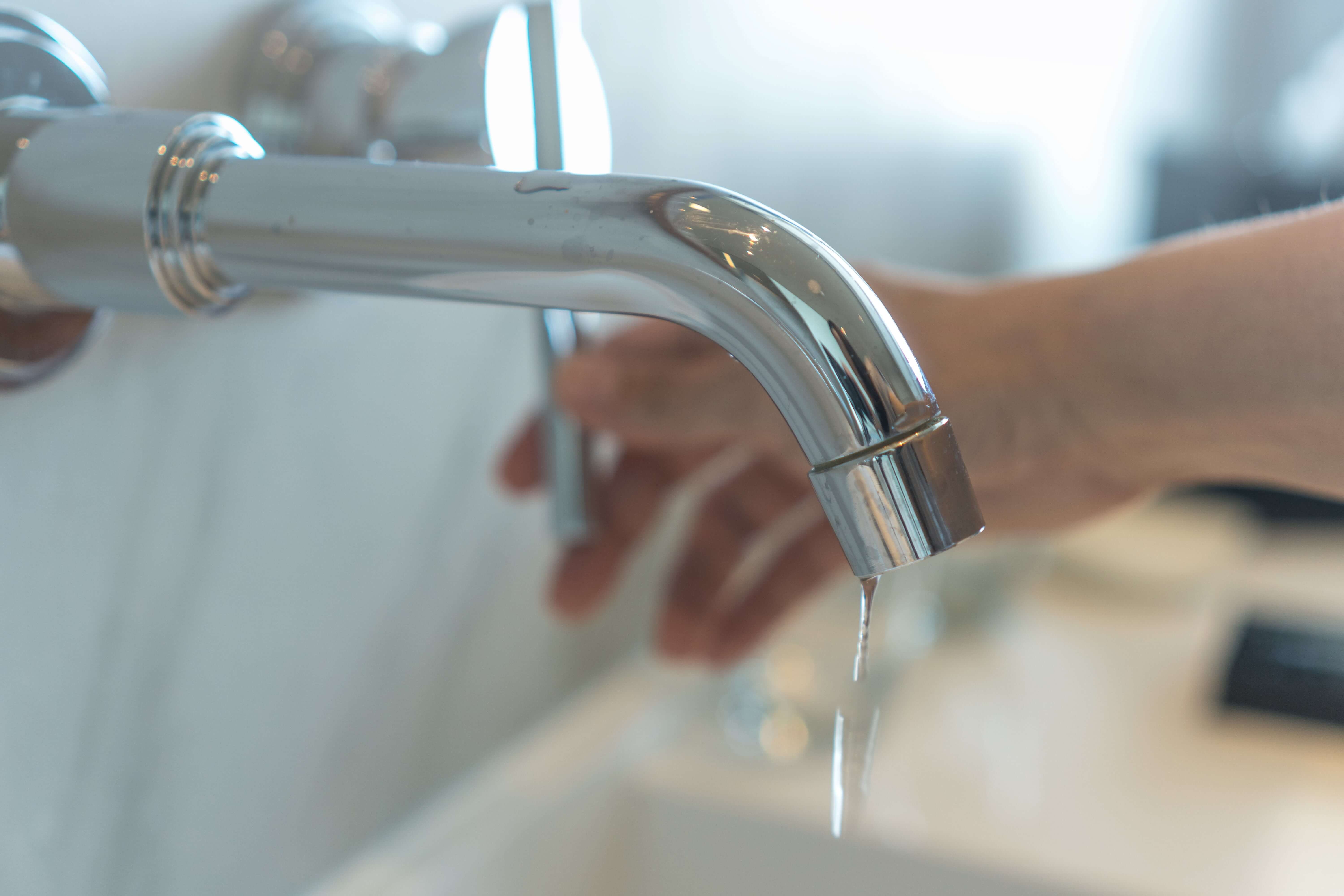
Drain the Plumbing System
Open all the faucets in your home, including sinks, bathtubs, and showers. Also, flush all toilets to empty the water from the plumbing lines. This helps remove water from the pipes, further minimizing the chance of freezing.
Protect Drains and Traps
Pour a small amount of antifreeze down each drain to prevent any remaining water from freezing in the traps. This step ensures that sewer gases won't enter your home while you're away.
Insulate Exposed Pipes
If your vacant home has exposed pipes, insulate them using pipe insulation sleeves or heat tape. Pay special attention to pipes in unheated areas like crawl spaces, basements, and attics.
Seal Drafts and Openings
Seal any gaps, cracks, or openings in the home's exterior to prevent cold drafts from entering. Caulk around windows and doors, and consider insulating the attic and walls.
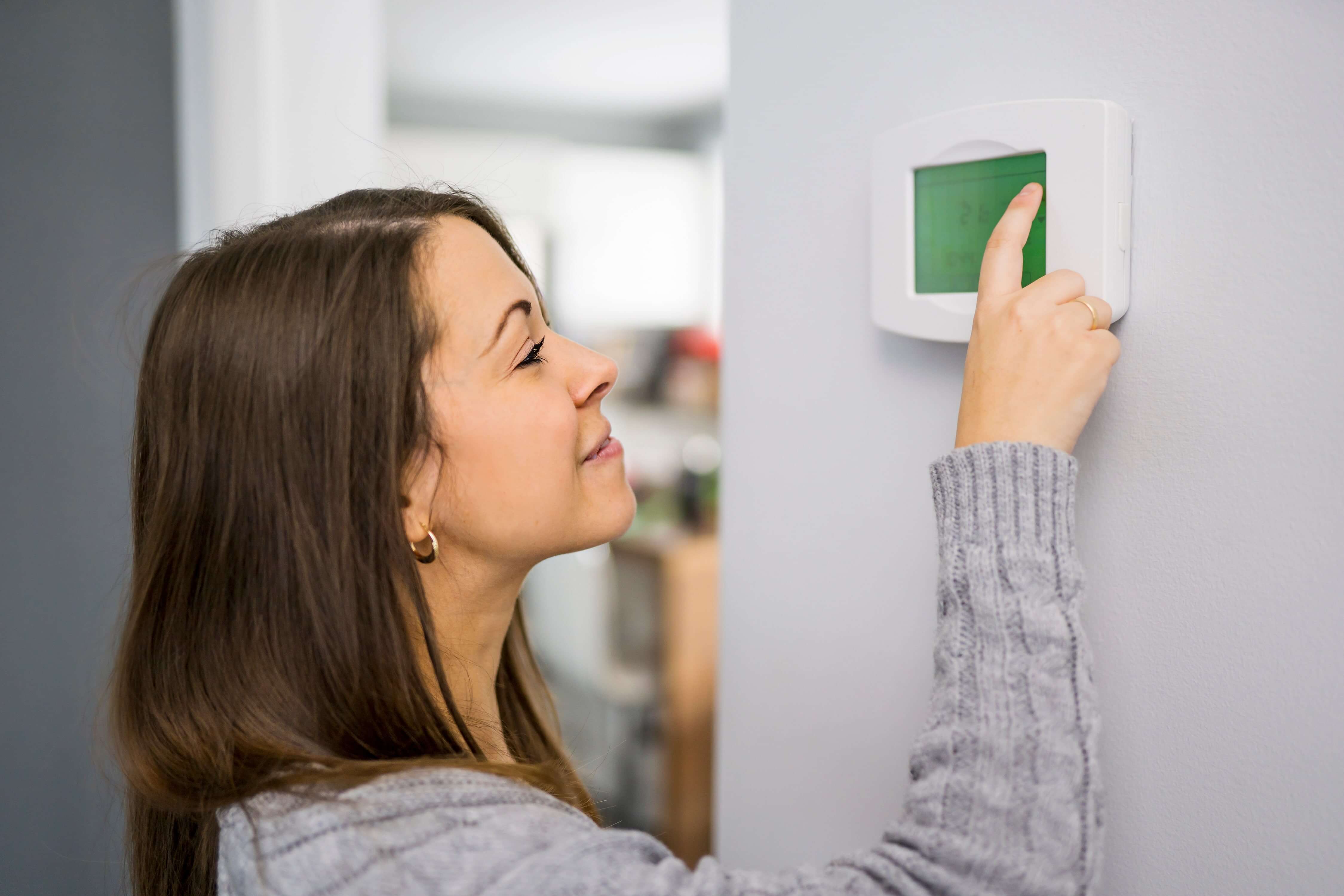
Maintain a Minimal Heating Level
Set your thermostat to a low but consistent temperature, typically around 55°F (13°C). This keeps your home warm enough to prevent freezing but reduces energy consumption. Install a Temperature Monitoring System
Consider installing a temperature monitoring system that can alert you if the indoor temperature drops to a critical level. Some systems can even be connected to your smartphone for remote monitoring.
Arrange for Regular Check-Ins
Ask a trusted neighbour, friend, or family member to periodically check on your vacant home. They can ensure that everything is in order and address any unexpected issues promptly.
Winterizing your plumbing for a vacant home is essential to avoid the headache and expense of dealing with frozen pipes and water damage. By following these comprehensive steps and considering professional assistance, you can enjoy peace of mind during your winter getaway. Remember that proper winterization not only protects your plumbing but also safeguards your home from potential winter-related issues. Make these preparations a part of your vacation routine to ensure a stress-free winter away from home. Safe travels!