🔗 Quick Links:
- Clear Water Leak
- Brown or Rust-Coloured Water Leak
- Black Water Leak
- Green Water Leak
- What To Do If Your Boiler Is Leaking
- FAQs
Clear Water Leak
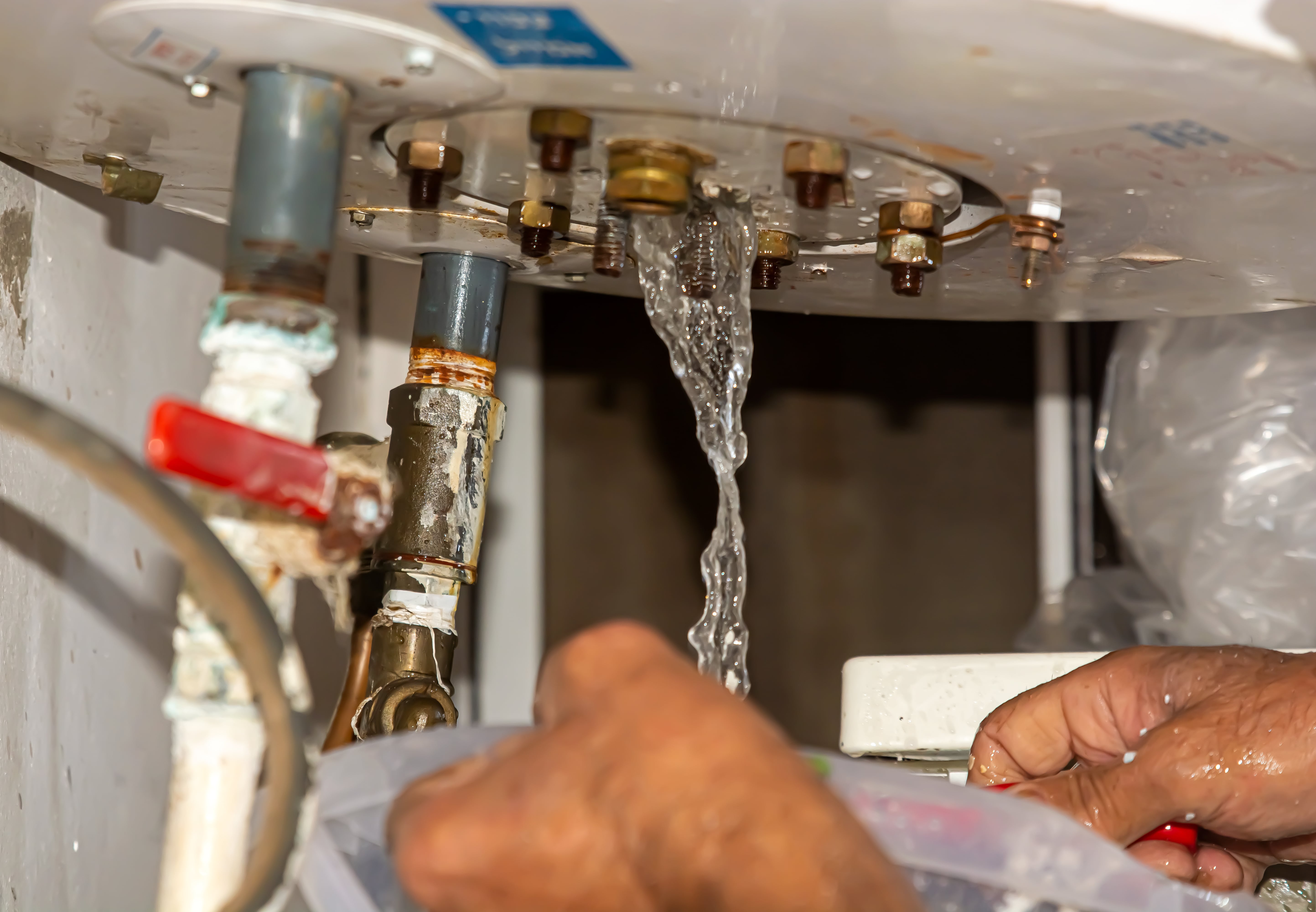
What it means:
If the water coming from your boiler is clear, it’s usually a sign of a minor issue such as:
- A loose pipe connection
- Excess pressure causing water to escape through the pressure relief valve
- A worn internal seal
How to fix it:
- Check your boiler’s pressure gauge – it should usually sit between 1 and 1.5 bar when the system is cold.
- If the pressure is too high, try bleeding your radiators to release excess water.
- If the problem continues, you’ll need a Gas Safe engineer to check for faulty seals or pipe fittings.
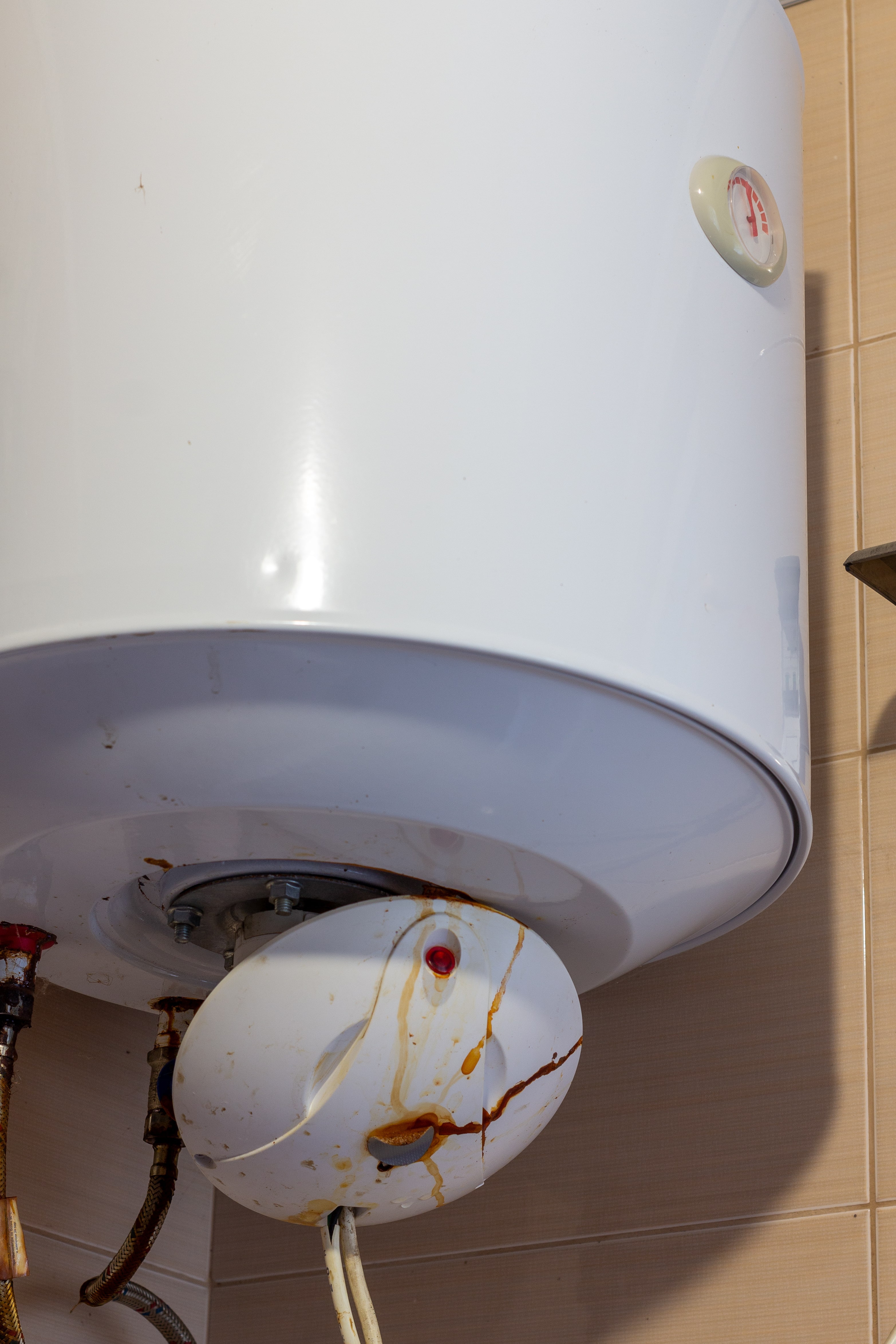
Brown or Rust-Coloured Water Leak
What it means:
Brown or rusty water usually means corrosion is present somewhere in your heating system. This could be from old pipework, a corroded radiator, or rust building up inside the boiler itself.
How to fix it:
- You’ll need a professional flush of your heating system to remove rust and sludge.
- Adding an inhibitor afterwards can help prevent corrosion from returning.
- If the corrosion is inside the boiler, parts may need replacing.
Black Water Leak
What it means:
Black water usually points to a heavy build-up of sludge inside your radiators and pipes. This sludge is made from rust, dirt, and debris that have built up over time, and it can make your heating less efficient.
How to fix it:
- A power flush is the most effective way to clear sludge from your system.
- Installing a magnetic filter can also help catch future sludge before it builds up.
Green Water Leak
What it means:
Green water is less common, but it usually means that antifreeze or chemicals from the central heating system are escaping. This suggests a leak within the system rather than fresh water.
How to fix it:
- Don’t try to top up antifreeze yourself – contact a Gas Safe engineer.
- The system may need a chemical check and a repair to the leaking area.
What To Do If Your Boiler Is Leaking
- Switch off your boiler to prevent damage.
- Don’t try to take the boiler apart yourself – this can be dangerous.
- Call a professional Gas Safe engineer to identify and fix the issue safely.
FAQs
Q: Why is my boiler leaking from the bottom?
A: This usually means a seal or pipe joint inside the boiler has failed. It could also be due to high water pressure and needs a Gas Safe engineer to inspect.
Q: Is a leaking boiler dangerous?
A: Yes. While not always immediately dangerous, water leaks can cause electrical faults, structural damage to your home, and sometimes gas-related risks. Always get it checked quickly.
Q: Can I use my boiler if it’s leaking?
A: No, you should switch off your boiler and water supply. Running it while leaking can cause further internal damage and safety issues.
Q: How much does it cost to fix a leaking boiler?
A: It depends on the cause. Small seal replacements may cost under £100, while bigger repairs like a heat exchanger replacement can be much more. A professional inspection is the best way to know.
Q: How do I prevent boiler leaks?
A: Get your boiler serviced annually, check system pressure regularly, install a magnetic filter, and use inhibitor fluid to reduce sludge and corrosion build-up.
Need Help With a Leaking Boiler?
At Shropshire Gas, our Gas Safe registered engineers can quickly diagnose and repair boiler leaks, ensuring your heating system is safe and efficient. Whether it’s a small seal replacement or a system flush, we’ll get things running smoothly again.
📞 Call us today on 01952 259 019 or book your repair online.